


The global market for graphics accelerators is facing unprecedented stagnation. Current leaks from Taiwanese supply chains indicate that the market leader’s strategic plans for this year have undergone radical restrictions. According to several independent sources, the anticipated Nvidia RTX 50 SUPER series, which was supposed to revive the gaming PC segment in the first half of the year, will reportedly not make it to store shelves. This move confirms the manufacturer’s transition to crisis mode, triggered by instability in the supply of key components.
Strategic halt in the middle of the generation
Information about the premature end of the life cycle of selected Blackwell architecture models was apparently just a harbinger of a broader portfolio restructuring. Internal reports from third-party manufacturers (AIC) indicate that Nvidia has completely suspended development projects aimed at more powerful revisions of current chips. The main barrier to the launch of the Nvidia RTX 50 SUPER series is the critical shortage of GDDR7 memory modules and their disproportionately high purchase price.
In the context of the ongoing semiconductor memory crisis, the integration of faster VRAM modules has become economically unviable for the manufacturer. Instead of introducing new SKUs that would require guaranteed supplies of high-end hardware, Nvidia has decided to maintain the status quo. For the market, this means one thing: the current offering is final, and no “Super” refresh is likely to come in 2026.
Prioritizing AI over the gaming segment
An analysis of production capacities shows that Nvidia RTX 50 SUPER has suffered from extreme demand in the artificial intelligence sector. TSMC’s production lines are primarily allocated to accelerators for data centers, which use the same technology nodes as consumer GPUs. With current margins in the sector, the manufacturer has no incentive to allocate scarce silicon wafers and memory modules to the gaming division.
This pragmatic stance reveals the reality of today – the gaming division has become a hostage to the success of AI. If Nvidia were to launch the Nvidia RTX 50 SUPER models, it would either have to subsidize them or launch them at prices that the market would not accept. The manufacturer has therefore decided to quietly withdraw the projects from its roadmap, thereby avoiding the reputational risk associated with the extreme price tags of the new hardware.

Market vacuum and price pressure
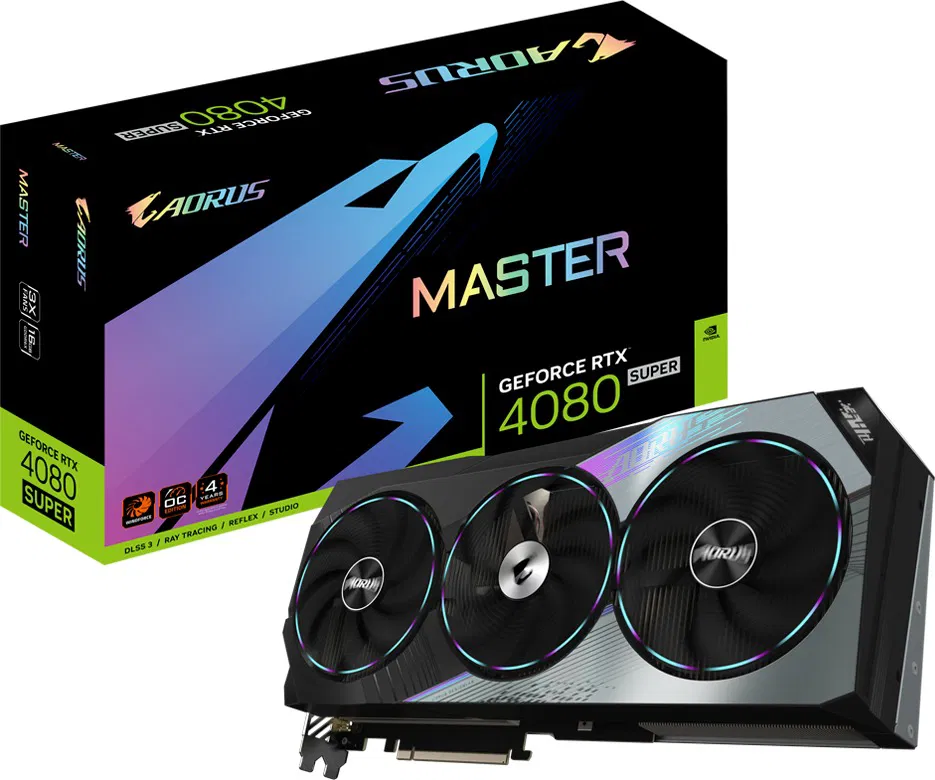
The absence of the Nvidia RTX 50 SUPER series could create a dangerous vacuum in the gaming segment. Without the pressure of new, more powerful models, retailers are losing any motivation to correct prices downward. The combination of reduced production of existing chips and the cancellation of upcoming new products will likely result in a situation where current cards become scarce.
Information suggests that Nvidia is currently focusing exclusively on selling off existing stock and maintaining margin stability. For end users, this is a clear signal – the strategy of waiting for a better deal in the form of the Nvidia RTX 50 SUPER seems unrealistic this year. Instead of expanding the range of products on offer, the market is beginning to shrink dramatically to a few available models, whose prices are likely to rise in the coming months.
Technological paralysis of 2026
January reports confirm that the Blackwell series hit a raw material ceiling before it had time to fully establish itself in the mid-range. The fact that Nvidia RTX 50 SUPER remains only on paper underscores the depth of structural problems in the supply chain. Instead of technological progress and increased VRAM capacity, we are witnessing a return to limitations reminiscent of the crisis years during the global pandemic.
The manufacturer’s strategic silence on this issue only confirms that the gaming segment is not a priority in 2026. For the community, this means a year of technological stagnation. If the arrival of Nvidia RTX 50 SUPER models is not confirmed, the PC gaming industry will lose an important catalyst that was supposed to ensure a smooth transition to new 4K resolution standards.
Conclusion: Reality instead of expectations
Today’s findings about the alleged cancellation of the Nvidia RTX 50 SUPER series are changing the purchasing paradigm for the rest of the year. If estimates of a permanent halt to the production of new gaming SKUs are confirmed, the graphics hardware market is facing one of its most difficult periods in the last decade. The current generation of cards thus remains the only available solution for the time being, with no prospect of an early improvement in the situation.
We will continue to monitor the situation with suppliers. At this point, however, everything indicates that those who hesitate to buy and wait for the Nvidia RTX 50 SUPER models risk having to choose from an even narrower and more expensive range than today’s in the coming months.

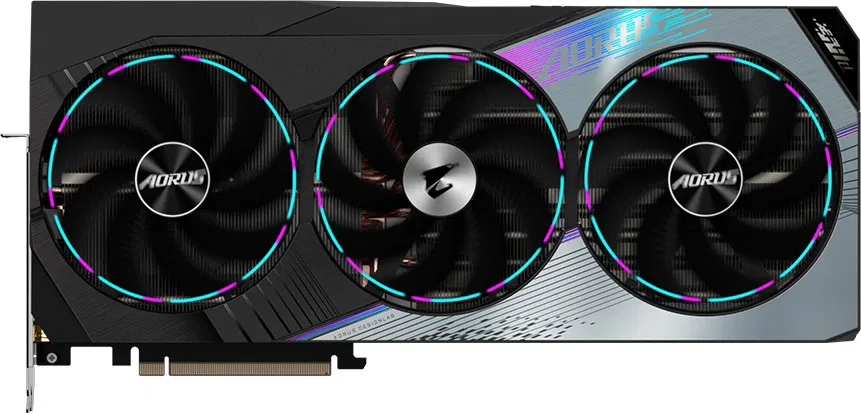
Proven performance supported by NVIDIA’s top-tier technologies. The RTX SUPER series remains an ideal choice for gamers who want a balanced price-to-performance ratio with excellent ray tracing.