
Palit is expanding its lineup of GeForce RTX 5070-based graphics cards and officially showing off a trio of custom models within the GamingPro series. Along with them, it’s also launching a simple giveaway in which fans can get a free graphics card. This isn’t a groundbreaking event, but a standard move by a manufacturer that wants to get its new cards out there before they go on sale in full.
The GamingPro series has long been one of Palit’s more conservative models. It focuses on functional design, robust cooling and a reasonable price-performance ratio. In that exact vein comes the Palit RTX 5070 GamingPro, which targets gamers looking for a modern graphics card without extreme ambition, but with support for the latest technologies.
Three variants, same base
With the Palit RTX 5070 GamingPro, Palit isn’t experimenting with the hardware base alone. All three presented versions stand on the same GPU chip – GeForce RTX 5070 and differ mainly in design, color treatment and visual details. These are cosmetic differences rather than an attempt to appeal to completely different groups of users.
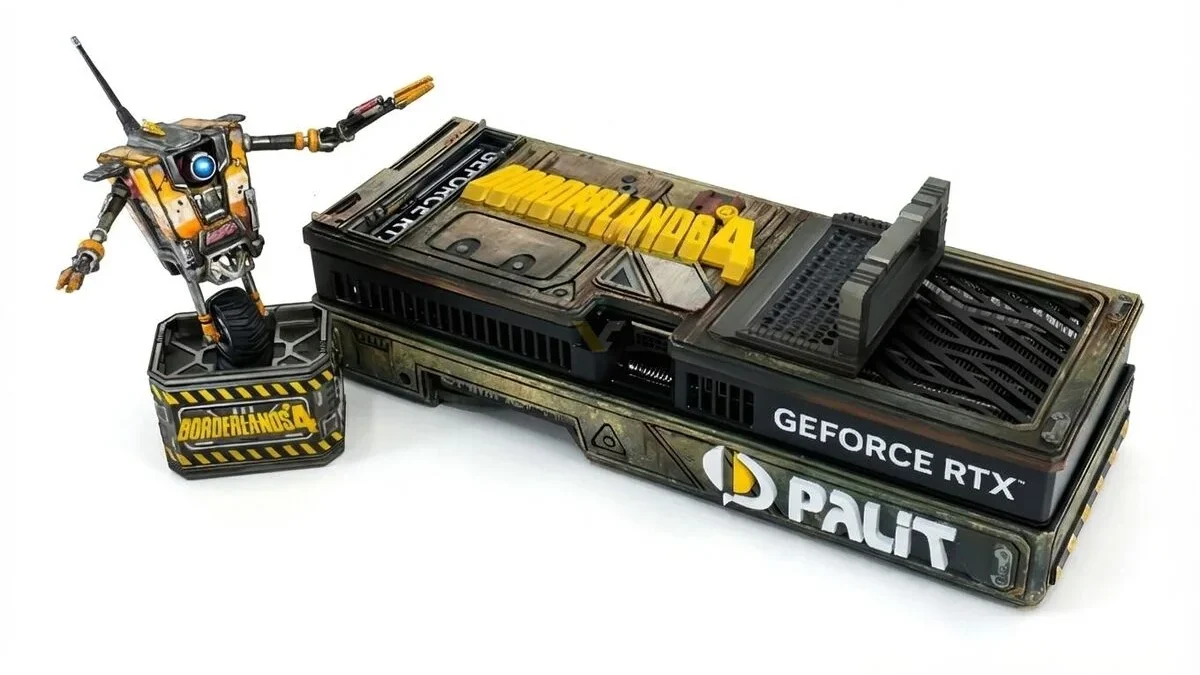
This is important to stress – Palit isn’t trying to present each version as a separate class of product. Rather, it’s a single graphics card in different coats. For someone, this is an advantage because they can choose a design that fits into their build. For another, it means that performance-wise, there is no need to look for major differences between them, which makes choosing a graphics card much easier.
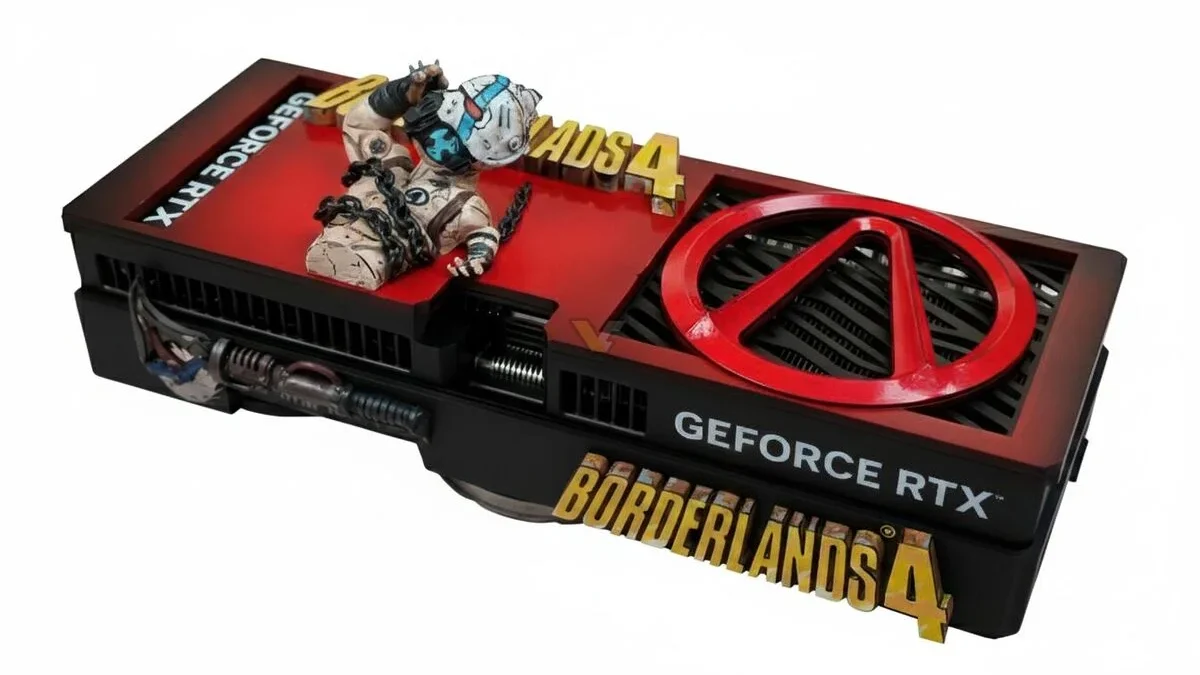
Traditionally, the GamingPro series uses a massive three-fan cooling system to ensure stable temperatures even under prolonged loads. The Palit RTX 5070 GamingPro continues the established trend in this regard, but it is not an extravagant cooling solution, but a proven concept that Palit has been using for several generations.

RTX 5070 as a reasonable mid-range
From a market perspective, the Palit RTX 5070 GamingPro fits into the segment that tends to be the most interesting for gamers. It’s a graphics card that’s meant to handle modern games at higher details, but at the same time doesn’t aim for a price range where overpriced builds are already being tackled rather than mainstream gaming PCs.
As such, the RTX 5070 builds on next-generation architecture and brings support for current gaming technologies such as ray tracing or next-generation DLSS. The GamingPro version doesn’t dramatically modify or push these features any further. Rather, it tries to offer stable processing without unnecessary experimentation.
That’s why the introduction of the three versions feels more like a portfolio expansion than a big event. Palit is simply doing what the market expects of it. It takes the reference base, adds custom cooling, a slightly modified design and offers several visual variants.
Giveaway as an add-on, not the main point
As part of the announcement, there is also a giveaway where fans can win one of the Palit RTX 5070 GamingPro cards. This is a normal marketing activity to boost the visibility of the new models on social media.
For the casual reader, it’s important to see the giveaway as more of a bonus. The value of the announcement itself stands mainly on the fact that Palit officially showed the final forms of the cards and confirmed how the GamingPro models will look like in this generation. For more information on the contest, we recommend keeping an eye on Palit’s official social media as well as their official website.
Conclusion – Palit RTX 5070 GamingPro
The introduction of the trio of Palit RTX 5070 GamingPro cards clearly shows that Palit can combine proven basics with something extra. The hardware itself stays true to the philosophy of the GamingPro series, but Palit’s special design variants and accompanying giveaway give this generation a more distinctive character.
Three visual versions expand the choice for users who want something different than the classic edition, and the competition naturally adds to the appeal of the entire series. This is not marketing for marketing’s sake, but an addition to a product that stands firmly on its own technical foundations.