


The tech world at CES 2026 witnessed a moment that will go down in history as the end of the era of weak integrated graphics. Intel officially demonstrated the power of its new Xe3 (Celestial) architecture, implemented in Panther Lake generation processors. The main hero of this transformation is the Intel Arc B390 graphics chip (within the Xe3-LPG architecture), which not only beats mainstream competition from AMD in the latest benchmarks, but in specific scenarios comes dangerously close to the performance of the dedicated NVIDIA GeForce RTX 4050 card.
Architectural breakthrough: Why is Xe3 “Celestial” so special?
The success achieved by Intel Arc B390 is no accident. It is the result of a transition to Intel’s advanced 18A manufacturing process, which for the first time uses RibbonFET transistors and PowerVia rear-side power delivery technology, which radically reduces heat. The chip has 12 Xe3 cores, which is a 50% increase over the previous Lunar Lake (Xe2) generation. However, Intel has achieved something much more important than just adding cores—it has dramatically increased efficiency at low power limits.
According to measured data, the Intel Arc B390 delivers performance at 45 W TDP that was previously reserved exclusively for gaming laptops with additional graphics chips. However, a key factor here is also the support for extremely fast LPDDR5X-9600 memory in a MoP (Memory on Package) configuration. Integrating memory directly into the chip dramatically reduces latency and helps overcome the traditional limitations of shared memory. With double the L2 cache capacity at 16 MB and a new instruction set for AI operations, this chip can process graphics data with much lower latency, which is key for modern engines such as Unreal Engine 5.
Benchmark battle: Intel Arc B390 vs. AMD and NVIDIA
The biggest stir was caused by a direct comparison with the competing AMD Radeon 890M solution. In gaming tests at 1080p resolution, the Intel Arc B390 achieves on average 70% to 77% higher performance than its predecessors and clearly beats the current leader from AMD. Even more shocking, however, are the numbers compared to the NVIDIA GeForce RTX 4050 (Laptop GPU).
With the same power consumption of 45 W, Intel’s iGPU can match or even exceed the energy-efficient (Max-Q) variants of the RTX 4050 by 5-10% in some titles, such as Cyberpunk 2077 or F1 24. This is a historic moment—for the first time, an integrated chip that is a direct part of the processor is realistically replacing entry-level dedicated graphics without the need for complex cooling for two separate chips in a laptop.
XeSS 3 technology and the revolution in frame generation
In 2026, hardware performance is inextricably linked to software optimization. Intel Arc B390 takes full advantage of the new version of XeSS 3 (Xe Super Sampling) technology. This brings the Multi-Frame Generation feature, which, unlike older versions, works with advanced motion vectors directly at the Xe3 architecture level. In practice, this means that even in the most graphically demanding titles, where the raw performance of the chip would only be enough for 30-40 FPS, XeSS 3 technology can increase the smoothness to a stable 80 FPS without any noticeable loss of image quality or significant increase in response time (input lag). This makes the Intel Arc B390 an ideal candidate for the new generation of ultra-thin notebooks that could not previously be considered gaming devices.
Ray Tracing: Dominance that no one expected
An area where Intel traditionally pushes hard is hardware acceleration of Ray Tracing. Intel Arc B390 features third-generation RT units, which, according to tests in Metro Exodus PC Enhanced Edition, are up to 122% more powerful than solutions in AMD Strix Point chips. For gamers, this means that realistic lighting and reflections are finally playable even on a device that is not three centimeters thick and weighs over 3 kilograms.
The arrival of Intel Arc B390 probably heralds the end of the era of laptops with a combination of “processor weak graphics.” Manufacturers such as Asus, MSI, and Lenovo are already integrating Panther Lake into their flagship ultrabooks (e.g., the new Zenbook Duo 2026), eliminating the need for the RTX 4050. This will lead to:
- Longer battery life: One chip consumes less power than two separate chips.
- Lower weight: Simpler cooling systems will allow for the production of even thinner chassis.
- Lower price: No license or cost of purchasing separate chips from NVIDIA.
We mustn’t forget the handheld gaming segment. Devices such as the new MSI Claw 8 AI, built on the Intel Arc B390, will offer performance in 2026 that owners of the original Steam Deck could only dream of.
Conclusion
With its Xe3 architecture and Intel Arc B390 model, Intel has proven that its investments in the graphics division are beginning to bear fruit. Panther Lake is not just a processor for spreadsheet calculations, but a true multimedia engine. If you are looking for a new laptop in 2026, the presence of the Intel Arc B390 chip should be at the top of your list of priorities – it is a solution that defines the modern standard of mobile performance and efficiency.

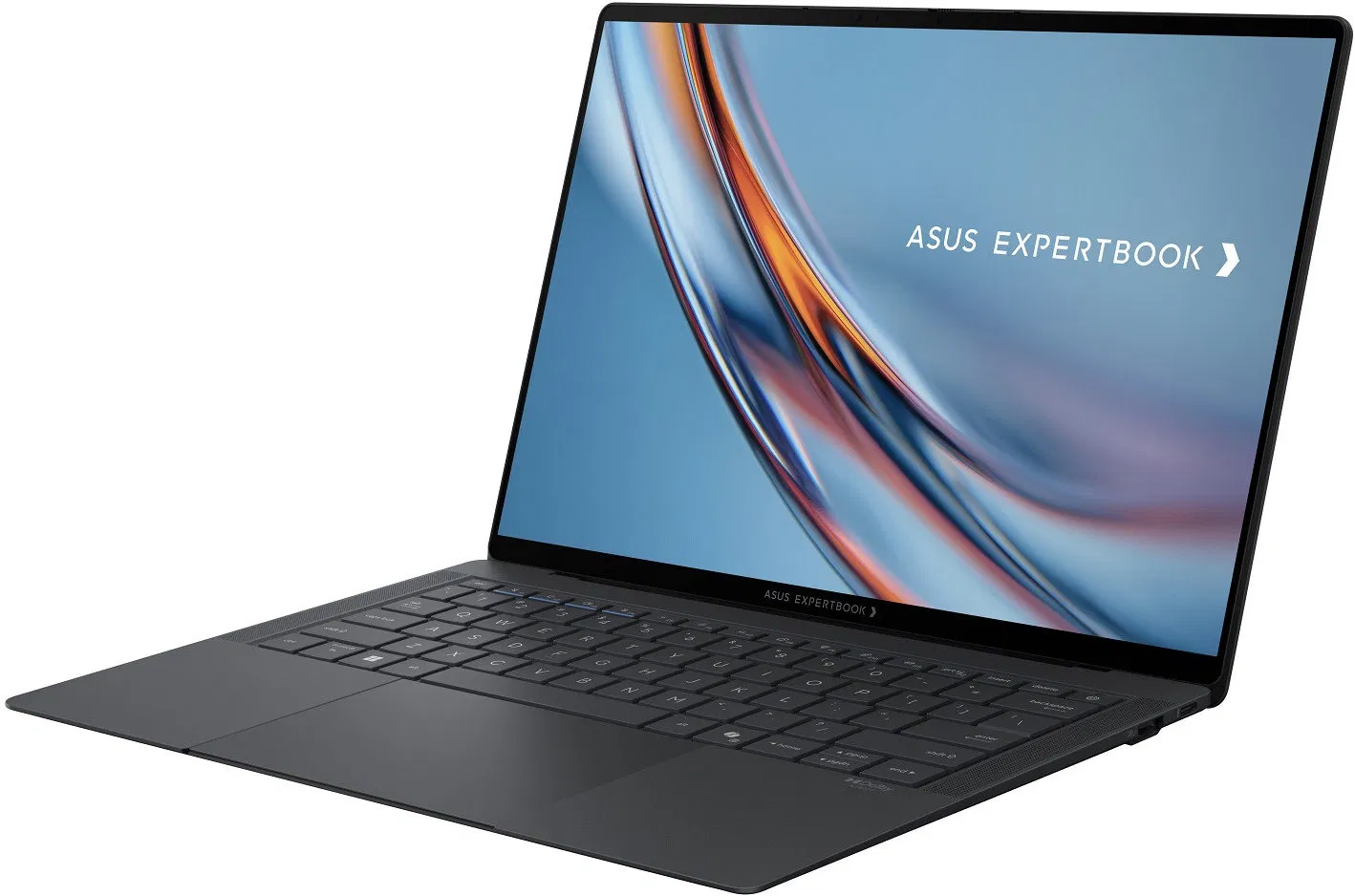
A new generation of laptops with breakthrough architecture is coming. Maximum performance, top-tier AI, and battery life that won’t let you down. Be among the first to try them.