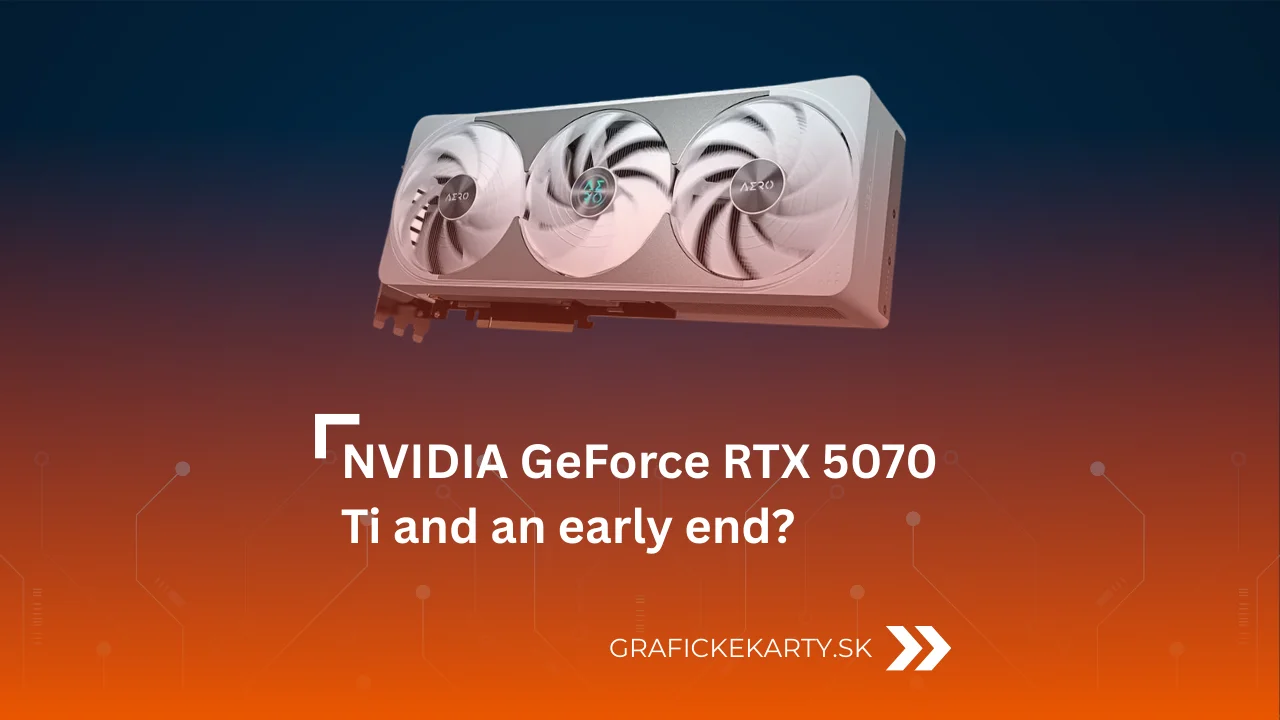
The hardware world has been hit by news that no one wanted to hear, but given the current situation on the semiconductor market, it makes cruel sense. Shortly after the start of 2026, information began to spread about the premature end of one of the most anticipated upper-mid-range models. We are talking about the GeForce RTX 5070 Ti, which appears to have become the first victim of a critical shortage of memory chips.
This is not a shortage of graphics chips themselves, but an unprecedented deficit of the latest GDDR7 memory modules. This situation puts Nvidia in an unenviable position, where it has to make radical cuts in its portfolio to save supplies for its most profitable segments. For the average consumer who has been waiting for the ideal price-performance ratio, however, this does not bode well.
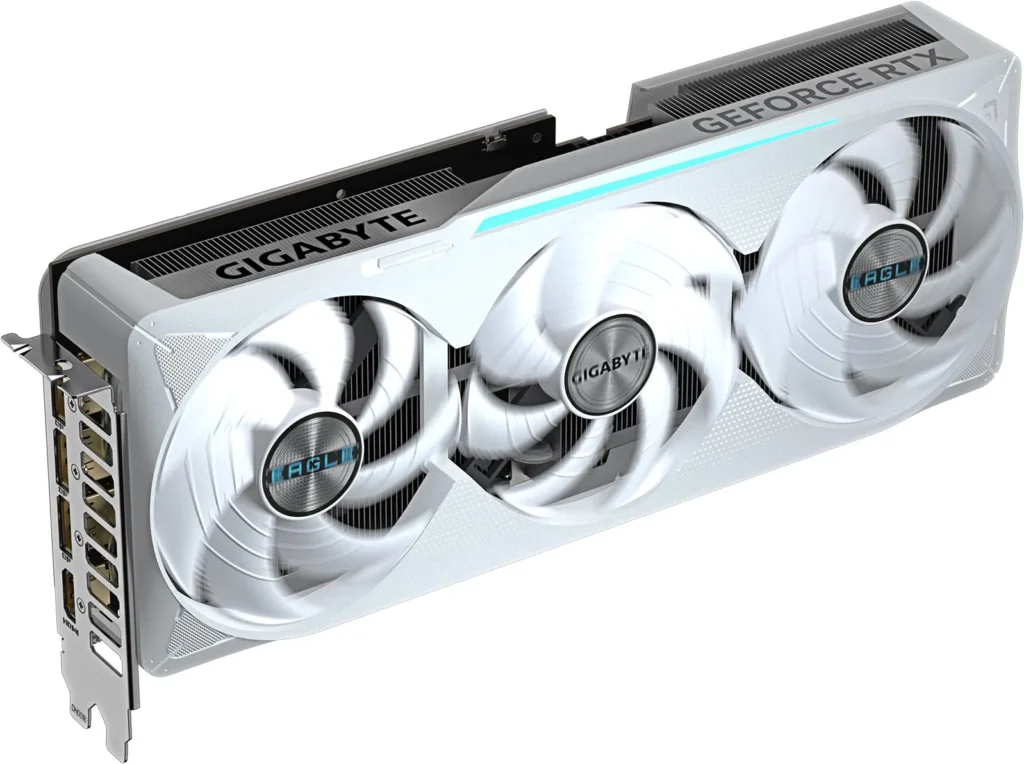
GeForce RTX 5070 Ti and the memory trap called GDDR7
The stumbling block is the transition to the new GDDR7 memory standard. Although it brings a revolutionary increase in throughput and efficiency, its production is currently in a critical state. The production lines of semiconductor giants such as Samsung and Micron are unable to saturate a market that is currently distorted by a huge hunger for artificial intelligence.
This is where we come to the heart of the problem. The GeForce RTX 5070 Ti was supposed to be equipped with 16 GB of VRAM, which requires a significant amount of memory chips per card. At a time when there is an acute shortage of these modules, Nvidia naturally favors its flagships – the RTX 5090 and RTX 5080. The manufacturer has significantly higher margins on these models, so every single mid-range 16 GB card produced essentially drains precious material for more powerful models.
According to information from supply chains, the production of 16 GB modules is currently less efficient and more expensive than originally anticipated. This puts the GeForce RTX 5070 Ti in the position of an uneconomical product. For gamers, this means one thing: the segment that was supposed to offer ideal performance for 1440p and 4K gaming with sufficient memory reserves remains in ruins for now.
AI dominance and chaos in the market
Although the manufacturer’s official statements still talk about continued support for the new generation, the actual actions of partners and distributors suggest otherwise. Orders for specific components for GeForce RTX 5070 Ti models have been quietly suspended, and the card has been moved to “EoL” (End of Life) mode by several manufacturers before it even had a chance to warm up on store shelves.
This chaos in the supply chains is creating a dangerous vacuum in the market. If this model is definitively dropped, there will be a huge performance and price gap between the RTX 5070 and the high-end RTX 5080. In addition, there are rumors that the global memory shortage will also affect lower-end models. Delays are being discussed for the RTX 5060 models, and the expected “SUPER” versions, which were supposed to save the situation in the second half of the year, are also completely at risk.
An interesting but rather desperate side effect of this crisis may be a return to older technologies. There is already speculation that production of older RTX 40 generation chips, which use more affordable GDDR6 and GDDR6X memory, could be ramped up so that retailers have something to offer mid-range customers.
What does this mean for your wallet?
The coming months will be extremely challenging for anyone planning to upgrade their computer. If reports of the end of the GeForce RTX 5070 Ti are confirmed, we can expect another price increase from retailers, who will take advantage of low stock levels and high demand. Graphics cards that were supposed to be affordable may, due to artificial unavailability, climb to levels that we did not want to admit after the last crisis.
At the same time, this is a clear message from the industry: the gaming segment is currently taking a back seat to the unrelenting hunger for AI performance. So if you come across a stock of cards with 16 GB VRAM at an acceptable price in the foreseeable future, there’s probably no point in waiting. For now, 2026 seems to be a period when high performance in PC games will come at a high “memory tax” due to a global shortage of components.

Discover the new generation of performance with Blackwell architecture. The RTX 5070 Ti delivers massive power for 1440p and 4K gaming, along with improved Ray Tracing.