
The crisis in the hardware market, which has been dictated by a shortage of components since the beginning of the year, has claimed another victim. The current availability of the Radeon RX 9070 XT in the coming months will be directly affected by a radical change in priorities at AMD. Following reports of stagnation in the Nvidia camp, disturbing information is also coming from the red camp. The latest reports from the supply chain confirm that the manufacturer has likely prioritized the most powerful mid-range model at the expense of all more affordable variants when introducing the new generation of graphics cards based on the RDNA 4 architecture.
Priority for maximum profit
AMD’s original plans called for a massive attack on the mainstream, but the reality of January 2026 has curtailed those ambitions. Sources close to third-party manufacturers have confirmed that production capacity is currently focused almost exclusively on one specific model. The version without the “XT” designation, which was supposed to form the price core of the offering for casual gamers, has been postponed indefinitely. In practice, this means that the availability of the Radeon RX 9070 XT is becoming the number one priority, as AMD needs to maximize profits from every Navi 48 chip with GDDR6 VRAM memory produced.
The reason for this move is once again the relentless situation in the memory market. As the prices of GDDR6 and GDDR7 modules continue to rise, margins on cheaper cards have virtually evaporated. For AMD, it currently makes more sense to use its limited supply of memory chips for the XT model, where the final price is set high enough to cover the increased production costs. For customers, however, this means that the gateway to the latest generation of graphics has once again become significantly more expensive.
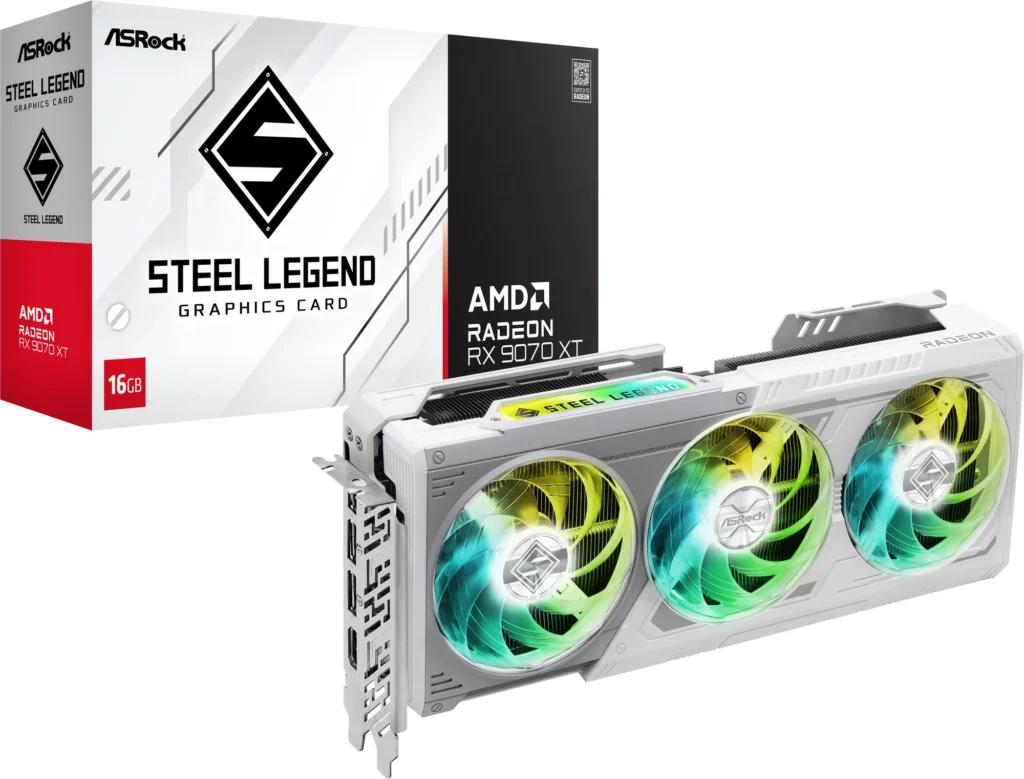
Mainstream under threat due to RAM crisis
The decision to prioritize the more expensive model over cheaper versions reveals the depth of structural problems in the industry. According to analyses, the production of lower-end cards in 2026 is economic suicide. If AMD had launched the basic version of the RX 9070 at the originally expected price, it would have generated a loss on every unit sold at current component costs.
A strategic shift in production is therefore a market-driven necessity. The manufacturer is trying to avoid empty warehouses and is therefore sacrificing the diversity of its offering. The improved availability of the Radeon RX 9070 XT on store shelves is intended to compensate for the lack of cheaper mainstream products, but this is “starving” the broad base of gamers.
Technical specifications and availability of the Radeon RX 9070 XT
The Radeon RX 9070 XT is built on the full configuration of the Navi 48 chip, which includes 64 compute units (CUs) and advanced next-generation RT cores. Improved ray tracing and native support for AI upscaling are the main reasons why gamers should pay extra for the XT version in 2026 instead of waiting for stripped-down chips. Although the RDNA 4 architecture offers greater efficiency, its full potential will only be available to those willing to dig deeper into their wallets.
The limited supply of new models is already causing a domino effect on the second-hand market. As the availability of the Radeon RX 9070 XT will be limited in the first few months, owners of older RX 7000 series cards are starting to artificially inflate the prices of their devices. This situation creates a vicious circle, where the lack of mainstream products on store shelves is eliminating the last remnants of the PC platform’s price advantage.
The current situation confirms that the technological gap between enthusiasts and ordinary users is widening. Manufacturers such as ASUS, Sapphire, and PowerColor are reportedly receiving only a fraction of the chips they ordered, creating ideal conditions for further price increases in retail. Those who waited for January in the hope that the new generation would bring a price revolution are now left empty-handed. Analysts predict that until GDDR6 memory prices stabilize , the situation will not change in favor of the end consumer.
Conclusion: A year in the grip of premium prices
AMD’s strategic decision is a clear signal that the era of cheap PC gaming is likely coming to an end. In 2026, the hardware industry is adapting to a crisis that even the giants themselves cannot influence. If you need a new graphics card, you must be prepared for the fact that the availability of the Radeon RX 9070 XT will be a key factor in your purchase, even if its price significantly exceeds your original budget.
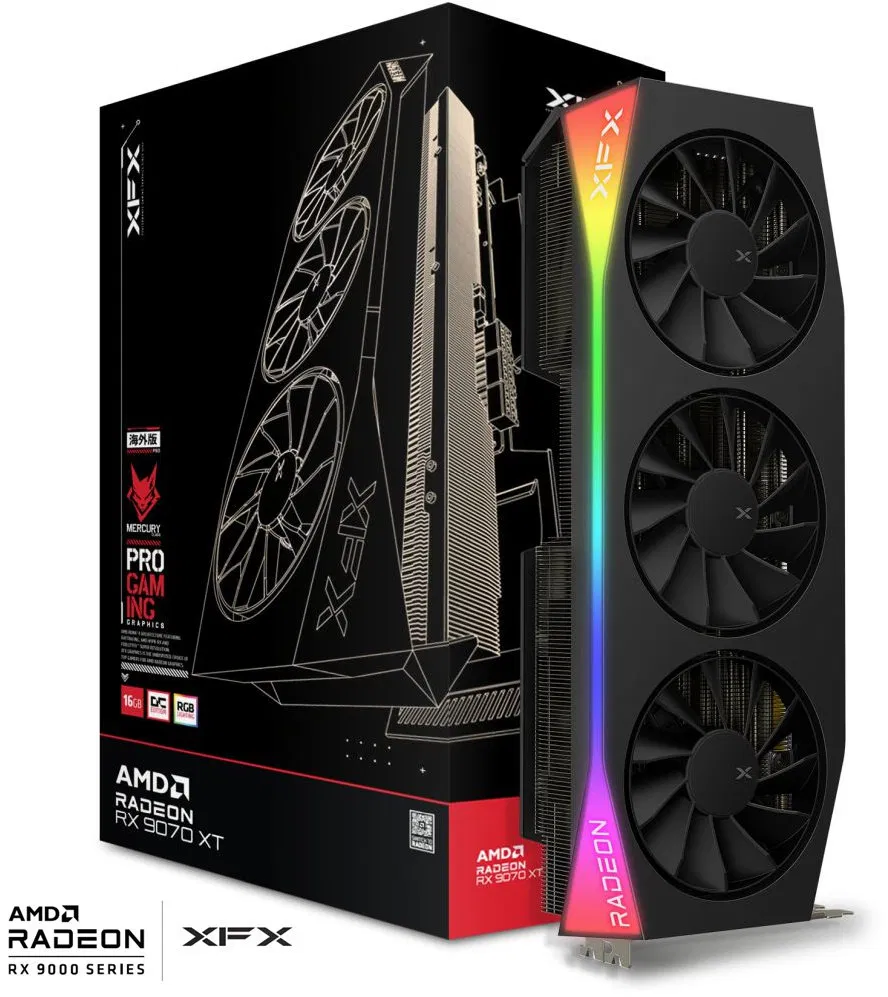
The flagship of AMD’s mid-range lineup with improved ray tracing and AI upscaling. Get the powerful Navi 48 chip before all stock sells out.