As part of the planned changes to graphics card production, changes to how NVIDIA VRAM will be supplied to AIB partners are being considered, according to as yet unconfirmed information. The company is said to be considering a model in which VRAM would no longer be bundled with GPU chips. Thus, manufacturers would only get the graphics chip itself and would have to deal with GDDR memory individually. This potential shift raises a number of questions regarding pricing, logistics and future availability of graphics cards, with the topic of NVIDIA VRAM taking centre stage.
What the available information says about the NVIDIA VRAM supply shift
Until now, NVIDIA has been supplying partners with proven graphics chip and VRAM kits, ensuring a steady supply of memory with guaranteed performance. However, according to the latest anecdotal information, this system may change. NVIDIA would start sending only the GPU chips themselves to AIB partners, while VRAM would have to be sourced from manufacturers such as Samsung, Micron or SK Hynix, etc. This move should be related to the growing demand for memory in the AI sector, which is gradually exhausting the production capacity of GDDR memory. Large manufacturers would be able to cope with this change, but smaller firms could run into problems with both availability and pricing of VRAM.
AIB partners are graphics card manufacturers such as ASUS, MSI and Gigabyte. From NVIDIA or AMD they only buy the GPU chip together with the VRAM but then design the rest of the card themselves – PCB, power supply, cooling and BIOS.
Why is it a problem if NVIDIA VRAM is not part of the package
The GDDR6 and GDDR7 market has been struggling with shortages for months. Memory manufacturers are shifting some of the capacity to HBM modules for AI accelerators, reducing the availability of classic VRAM for consumer GPUs. If NVIDIA VRAM wasn’t bundled with an NVIDIA chip, smaller manufacturers would have to compete for memory with both the majors and the AI segment. This may mean higher costs, limited supply, product delays and upward pressure on graphics card prices. For the mainstream market, this would create a domino effect in which affordable and mainstream models would suffer the most.
How the market has worked so far and why the situation is different
Some AIB partners are already sourcing VRAM independently, but NVIDIA has still guaranteed availability, speed and the right type of memory for specific GPU series. Thus, standardized GPU chip VRAM packages simplified production, ensured stable quality, and protected smaller brands from memory supply issues.
However, current information suggests that this guarantee may be coming to an end. NVIDIA would continue to supply the GPU chips themselves, but VRAM would no longer be part of the supply package. This means that smaller manufacturers would lose the stability they have been built on for years. For many companies, the availability of NVIDIA VRAM is a key factor in determining whether they can bring a new model to market on time and at a competitive price.
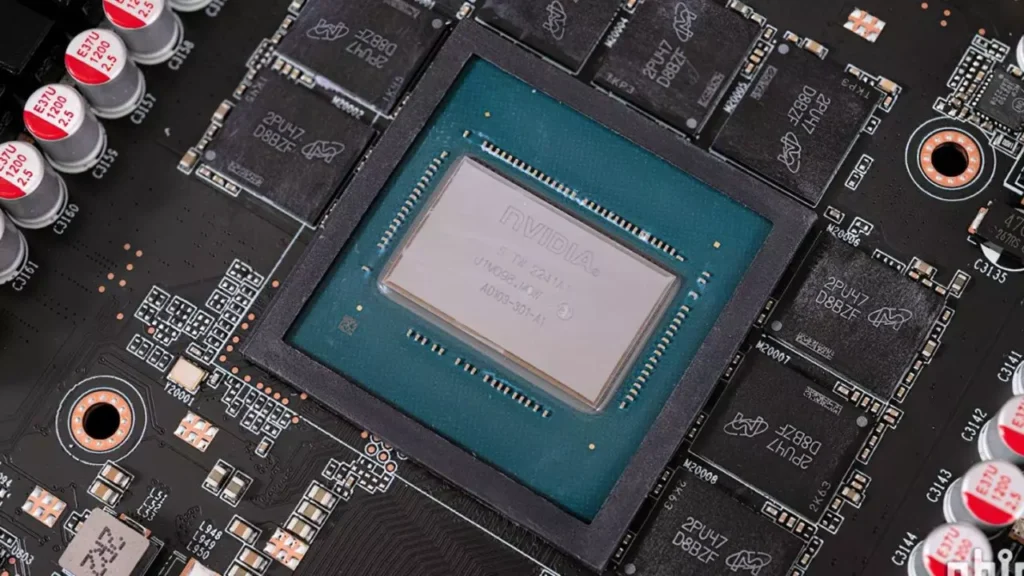
If this information is confirmed, the implications would be significant. Separately sourcing VRAM would increase manufacturing costs, which would be reflected in end-customer pricing. Smaller manufacturers could reduce production of low-cost models or exit the market altogether. New graphics cards could appear later, in smaller quantities and with higher prices. Reduced competition would naturally further encourage price increases across the mainstream and low-end segments. For gamers, this is a potentially unpleasant scenario in which the availability of low-cost graphics cards would drop significantly.
Conclusion
If NVIDIA were to actually stop supplying VRAM alongside GPU chips, this would be one of the biggest changes in graphics card production in years. Manufacturers would face higher costs, poorer VRAM availability, and stronger competition from the AI industry. This would have a direct impact on both the price and availability of graphics cards in the consumer market. Until it is confirmed how NVIDIA VRAM will ship in the next generations, the topic remains in the realm of anecdotal information – but it is also one to watch very closely.
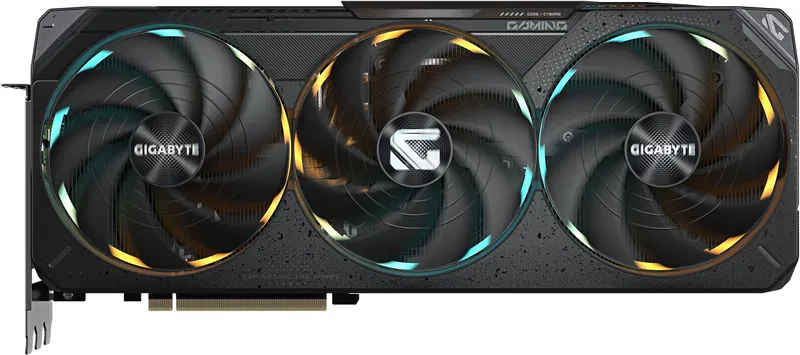
Follow powerful and reliable NVIDIA graphics cards for demanding gaming and professional work. Choose the model that fits your needs.